



Rhinoplasty in NYC | Nose Surgery at Jessica Lattman MD
A beautifully performed rhinoplasty can bring the nose into better balance with the rest of the face while preserving the features that make you look like yourself. As the nose sits at the center of the face, even small refinements can have a meaningful effect on overall facial harmony, profile balance, and confidence.
At Jessica Lattman MD in New York City, rhinoplasty is performed by the highly experienced facial plastic surgeons Dr. Lattman works closely with, including Dr. Andrew Timberlake, Dr. Benjamin Paul, and Dr. David Rosenberg. While Dr. Jessica Lattman focuses her practice on oculoplastic surgery, her collaborative approach allows patients to receive care from trusted surgeons who specialize in advanced facial plastic surgery.
Many patients considering rhinoplasty are not looking for a dramatic change. They want a nose that looks natural, refined, and more balanced with their eyes, cheeks, lips, and overall facial structure. The goal is not to create a “new” face, but to help the face feel more harmonious.
To learn more about rhinoplasty in NYC at Jessica Lattman MD, call (212) 832-5456 or reach out to us online. Dr. Lattman and her talented staff are proud to welcome patients from New York, New Jersey, and Connecticut.
What Is Rhinoplasty?
Rhinoplasty, often called nose surgery, is a highly individualized surgical procedure that changes the shape, size, structure, or function of the nose. It may be performed for cosmetic reasons, functional concerns, or a combination of both.
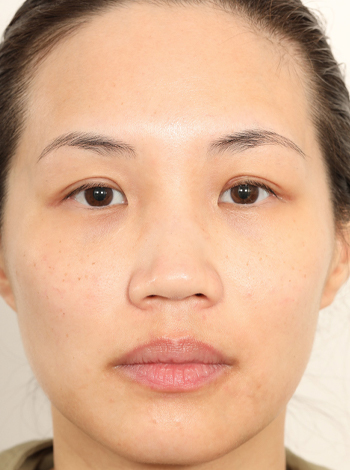
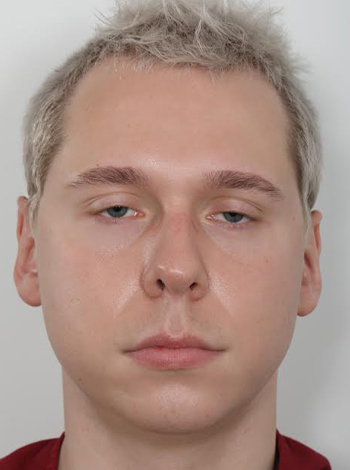
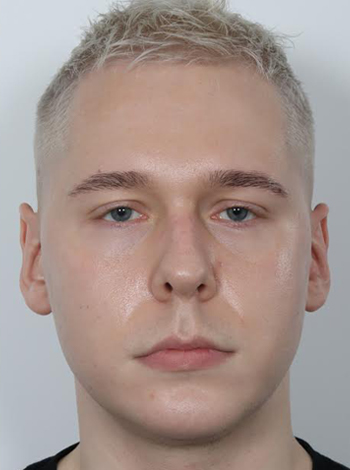
Cosmetic rhinoplasty can address concerns such as a dorsal hump, a bulbous or drooping nasal tip, asymmetry, a nose that feels too wide or too prominent, or a profile that feels out of balance. Functional rhinoplasty may improve airflow when the internal structures of the nose contribute to breathing difficulty.
A successful rhinoplasty requires more than technical skill. The surgeon must understand how the nose relates to the entire face. A nose that looks beautiful on one person may not suit another person’s features. For that reason, each rhinoplasty plan should be designed around the patient’s anatomy, goals, facial proportions, and long-term function.
At Jessica Lattman MD, patients are guided toward thoughtful, highly specialized care from facial plastic surgeons who understand both facial aesthetics and nasal structure.
What NYC Rhinoplasty Can Improve
Rhinoplasty can address a wide range of cosmetic and functional concerns. Depending on the patient’s anatomy and goals, nose surgery may improve:
- A bump or hump on the bridge of the nose
- A nasal tip that appears bulbous, drooping, pinched, or overly projected
- A nose that looks too wide or too narrow for the face
- Nasal asymmetry
- A crooked nasal bridge
- Nostrils that appear flared or uneven
- A nose that feels out of proportion with the chin, cheeks, or eyes
- Breathing issues related to nasal structure
- Changes from prior trauma
- Results from a previous rhinoplasty that need refinement
For many patients, the most successful result is one that does not call attention to itself. Friends and family may notice that their face looks more balanced or refined, but they may not immediately know why. That is often the mark of a well-planned rhinoplasty.
A Collaborative Approach to Facial Plastic Surgery
At Jessica Lattman MD, rhinoplasty is performed by the experienced facial plastic surgeons Dr. Lattman works closely with: Dr. Andrew Timberlake, Dr. Benjamin Paul, and Dr. David Rosenberg. Each brings advanced expertise in facial plastic surgery, with a refined understanding of nasal structure, facial balance, and natural-looking results.
Patients also appreciate how calm and approachable our surgeons are. Rhinoplasty is a major decision that can feel overwhelming; fortunately, Dr. Timberlake, Dr. Paul, and Dr. Rosenberg make sure to take their time to listen, walk patients through their options, and guide them every step of the way without pressure.
This collaborative model is especially helpful for patients considering more than one area of facial refinement, such as rhinoplasty with upper or lower eyelid surgery, a brow lift, or facelift. Together, Dr. Lattman and her trusted surgical colleagues help patients understand what makes sense, what should be staged, and what may not be necessary.
Primary Rhinoplasty
Primary rhinoplasty refers to a first-time nose surgery. Since the nasal tissues have not been surgically altered before, primary rhinoplasty allows the surgeon to work with the patient’s natural nasal anatomy.
Patients often seek primary rhinoplasty because they have always felt that their nose did not fit their face. Some are bothered by their profile. Others are more concerned with the tip, width, nostrils, or overall shape. In many cases, the concern is subtle but deeply personal.
During the consultation, the surgeon will evaluate the nasal bridge, tip support, skin thickness, cartilage structure, breathing, facial proportions, and the relationship between the nose and surrounding features. This careful planning helps create a result that feels refined and natural rather than overly sculpted.
Revision Rhinoplasty
Revision rhinoplasty is performed when a patient has already had nose surgery and wants or needs further correction. This may involve cosmetic concerns, breathing issues, structural problems, or results that changed over time.
Revision rhinoplasty is often more complex than primary rhinoplasty because the nasal anatomy has already been altered. Scar tissue, weakened cartilage, asymmetry, or loss of support may all need to be addressed. In some cases, cartilage grafting may be required to rebuild or support the nasal structure.
Because revision rhinoplasty requires advanced surgical judgment, patients should choose a surgeon with specific experience in complex nasal surgery. The goal is to improve the appearance and function of the nose while respecting what can safely and realistically be achieved.
Functional Rhinoplasty and Septoplasty
Some patients pursue rhinoplasty not only because of how the nose looks, but because of how it works. Structural issues inside the nose can make breathing difficult, especially during sleep, exercise, or periods of congestion.
A septoplasty may be recommended when a deviated septum contributes to nasal obstruction. In other cases, the nasal valves, turbinates, or prior trauma may also play a role. Functional rhinoplasty can help improve airflow while maintaining or enhancing the external appearance of the nose.
For many patients, the best approach addresses both form and function. A nose should look natural on the face, but it should also support healthy breathing.
Is Rhinoplasty Right for You?
Good candidates for rhinoplasty are generally patients who:
- Feel their nose is out of balance with the rest of their face
- Want refinement rather than an overdone or artificial-looking change
- Have concerns about the nasal bridge, tip, width, nostrils, or asymmetry
- Have breathing issues related to nasal structure
- Are in good overall health
- Understand that swelling can take time to fully resolve
- Want a thoughtful, individualized surgical plan
The consultation is an important part of the process. It gives the surgeon time to understand what bothers you, examine your anatomy, and explain what type of result is realistic. Sometimes the best recommendation is surgery. Other times, the best guidance may be to wait, consider a different procedure, or avoid surgery altogether.
What Happens During Rhinoplasty?
Rhinoplasty is typically performed under anesthesia in an accredited surgical setting. The details of the procedure depend on the patient’s anatomy, goals, and whether the surgery is primary, revision, cosmetic, functional, or a combination of these.
In some cases, the surgeon may use an open rhinoplasty approach, which involves a small incision across the columella, the strip of tissue between the nostrils. This allows detailed access to the nasal framework and is often used when more structural work is needed. In other cases, a closed rhinoplasty approach may be appropriate, with incisions placed inside the nostrils.
During surgery, the nasal bones and cartilage may be reshaped, refined, supported, or repositioned. If breathing concerns are present, internal structural issues may be corrected at the same time. The surgeon’s goal is to create a nose that looks balanced from the front, profile, and three-quarter view while maintaining strong nasal support and healthy function.
Rhinoplasty Recovery
Nose surgery recovery is very individual, but most patients can expect swelling, bruising, and congestion during the early healing period. A small nasal splint is often worn for about one week. Many patients feel comfortable returning to work or light social activities within one to two weeks, depending on the extent of the procedure and how they heal.
Bruising around the eyes, if present, typically improves within the first couple of weeks. Swelling takes longer. While many patients see a meaningful improvement once the splint is removed, the nose continues to refine gradually over several months. Subtle swelling, especially in the nasal tip, can take up to a year or longer to fully settle.
Patients receive detailed instructions on how to care for the nose, manage swelling, avoid unnecessary pressure, and return safely to normal activities. Follow-up care is an important part of the process, allowing the surgeon to monitor healing and provide guidance along the way.
Schedule your
Consultation
How Much Does Rhinoplasty Cost in NYC?
The cost of rhinoplasty in NYC varies based on the complexity of the procedure, the surgeon performing the surgery, anesthesia, facility fees, and whether the procedure is primary or revision.
Primary rhinoplasty may differ significantly in cost from a complex revision rhinoplasty or a procedure that also addresses breathing concerns. During your consultation, you will receive a personalized quote based on your anatomy, goals, and surgical plan.
Since rhinoplasty is one of the most technically demanding facial plastic surgery procedures, cost should not be the only factor in choosing a surgeon. Experience, communication, aesthetic judgment, safety, and trust are all essential.
Schedule Your Rhinoplasty Consultation in NYC
If you are considering rhinoplasty in New York City, we invite you to contact Jessica Lattman MD to learn more about your options. Whether you are interested in cosmetic nose surgery, revision rhinoplasty, or functional improvement, our team can help connect you with the right facial plastic surgeon for your goals.
Call (212) 832-5456 or contact us online to schedule your consultation. Jessica Lattman MD welcomes patients from Manhattan, the tri-state area, across the country, and around the world.
Rhinoplasty NYC – Frequently Asked Questions
Does Dr. Jessica Lattman perform rhinoplasty?
No. Dr. Lattman specializes in oculoplastic surgery, including cosmetic and reconstructive procedures of the eyelids and surrounding facial areas (including upper blepharoplasty and lower blepharoplasty). Rhinoplasty is performed by the facial plastic surgeons she works closely with, including Dr. Andrew Timberlake, Dr. Benjamin Paul, and Dr. David Rosenberg.
Will rhinoplasty make me look different?
A well-planned rhinoplasty should make the face look more balanced, not unfamiliar. The goal is usually refinement rather than drastic change. Many patients want their nose to look natural enough that it does not appear “operated on.”
What is the difference between rhinoplasty and septoplasty?
Rhinoplasty changes the external shape and/or structure of the nose. Septoplasty corrects a deviated septum inside the nose to improve airflow. Some patients need both procedures, especially when cosmetic concerns and breathing issues are present together.
What is revision rhinoplasty?
Revision rhinoplasty is a second or additional nose surgery performed after a previous rhinoplasty. It may address cosmetic concerns, breathing problems, asymmetry, or structural issues. Revision rhinoplasty is often more complex than primary rhinoplasty and requires a highly experienced surgeon.
How long does rhinoplasty recovery take?
Most patients return to light activities within one to two weeks. Bruising and swelling improve gradually, but the final shape of the nose takes longer to settle. The nasal tip can remain subtly swollen for several months, and final results may take up to a year or longer.
Will I have scars after rhinoplasty?
If a closed rhinoplasty is performed, incisions are placed inside the nostrils. If an open rhinoplasty is performed, there is a small incision across the columella. In most cases, this heals very discreetly and becomes difficult to notice over time.
Can rhinoplasty improve breathing?
Yes, when breathing problems are caused by structural issues such as a deviated septum, nasal valve collapse, or other internal obstruction. Your surgeon will evaluate your nasal function during the consultation and explain whether functional correction may be appropriate.
Can rhinoplasty be combined with eyelid surgery?
In some cases, yes. Rhinoplasty may be combined with procedures such as upper blepharoplasty, lower blepharoplasty, or a brow lift when it is safe and appropriate. Dr. Lattman and the facial plastic surgeons she works with can help determine whether combining procedures makes sense for your goals.
How much does rhinoplasty cost in NYC?
Rhinoplasty pricing varies depending on the surgeon, complexity of the procedure, anesthesia, facility fees, and whether it is a primary or revision surgery. A personalized quote will be provided after your consultation.
Testimonials
What Our Patients Are Saying
Christine
Through word of mouth and then a web search, I was able to connect with Dr. Jessica Lattman. I am just thrilled with her professionalism and caring. I am delighted with her wonderful “uplifting” work. I highly recommend her!
Tamar
I am very happy with my outcome. I was a difficult case- a redo with a ptosis on one side. I was sure I would not get a symmetrical result. But now it’s perfect. The office and surgery center make the experience as pleasant as possible. If I could give six stars I would!!
Maria
I am absolutely thrilled with the results of my recent procedure performed by Dr. Lattman. The natural outcome exceeded my expectations, showcasing Dr. Lattman’s exceptional skill. I couldn’t be happier with the outcome, and I highly recommend Dr. Lattman!
Mer
Dr. Jessica Lattman is simply the best! She is brilliant, warm, thorough and professional. When you enter her office, it is clean and serene. Her disposition is lovely and she explicitly explains her procedure. Her office is organized and the support staff are amazing. I highly recommend this skilled surgeon and equally lovely woman.
Jill
Dr. Lattman provided a professional consultation to discuss my Ptosis and other work. Surgery was minimally invasive and I fully healed quickly. I am thrilled with the results. Everyone involved in the process was friendly, patient and knowledgeable. I have recommended Dr. Lattman to a number of friends.
Sara
From beginning to end my experience seeing Dr. Lattman for my lower bleph surgery was fantastic! I have received many complements on her work and have recommended her to many of my friends. Everyone in her office is so kind and responsive. I always felt like I was in excellent hands! I highly recommend Dr. Lattman’s work and would go back to her in the future.