




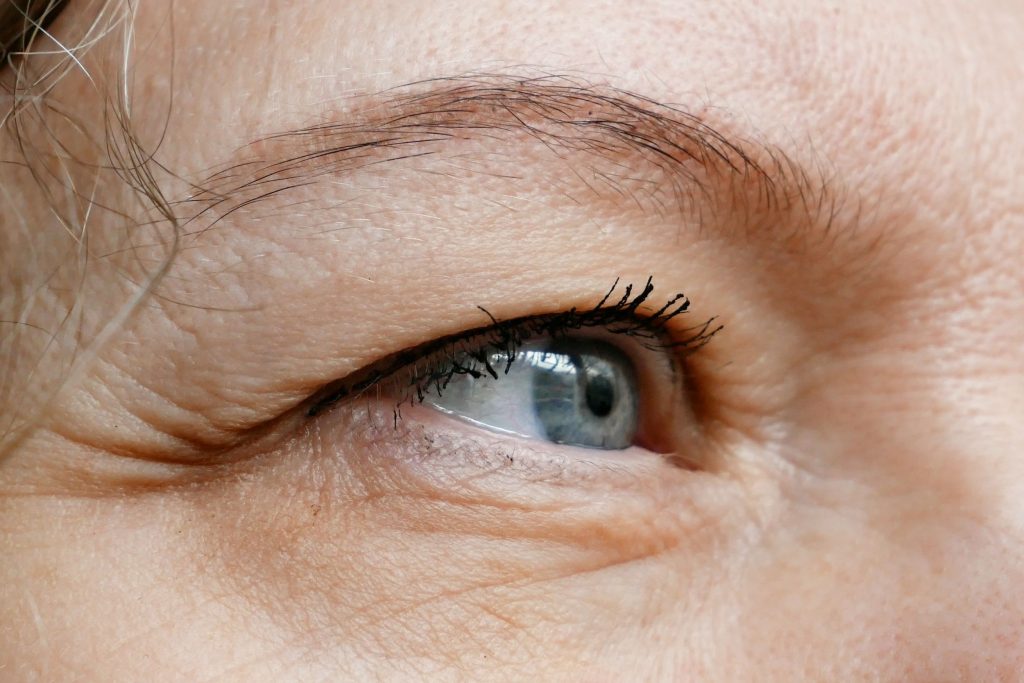
What Are the Different Types of Ptosis?
When the upper eyelid begins to droop lower than normal, it can affect not only your appearance but also your vision and eye comfort. This condition, known as ptosis, is more common than many people realize, and it can occur at any age.
As a board-certified oculoplastic surgeon in New York City, Dr. Jessica Lattman specializes in all types of ptosis repair, from mild to complex. Understanding the different types of ptosis is the first step in determining the right treatment and restoring both function and symmetry to the eyes.
What Is Ptosis of the Eyelid?
Ptosis (pronounced toe-sis) refers to a drooping of the upper eyelid caused by weakness, stretching, or damage to the muscles and tendons responsible for lifting the lid. The condition can affect one or both eyes and may develop gradually or appear suddenly.
Common signs and symptoms include:
- One eyelid sitting noticeably lower than the other
- A tired, heavy, or asymmetrical appearance in photos
- Partial obstruction of vision or a “shadow” in the upper field
- Habitually raising the eyebrows or tilting the chin to see more clearly
The Main Types of Ptosis
Ptosis can result from a variety of underlying causes, each requiring a different approach to diagnosis and treatment. Below are the most common types of ptosis Dr. Lattman sees in her practice.
1. Aponeurotic Ptosis (Age-Related Ptosis)
The most common form of eyelid drooping in adults is aponeurotic ptosis, sometimes called involutional ptosis. It occurs when the levator aponeurosis (the tendon-like structure that connects the levator muscle to the eyelid) stretches or weakens over time.
This age-related change can happen naturally with aging or after years of contact lens use, rubbing the eyes, or prior eye surgery.
Key features include:
- Gradual onset in adulthood
- Drooping that worsens later in the day
- Normal eye movement and pupil function
- Excellent response to surgical correction
Dr. Lattman performs a delicate repair that reattaches and tightens the levator muscle, restoring the lid to its proper height and symmetry. The result is a natural, refreshed appearance.
2. Congenital Ptosis
Congenital ptosis is present at birth and results from an underdeveloped or weakened levator muscle. The eyelid may cover part of the pupil, causing vision obstruction or the need for a compensatory head tilt in children.
Common signs include:
- One eyelid drooping since infancy
- The child raising their eyebrows or lifting their chin to see
- Possible differences in eyelid crease height
Early evaluation is important because congenital ptosis can affect visual development. Dr. Lattman carefully assesses each child’s muscle strength and eye health before planning surgery. 3. Neurogenic Ptosis
Neurogenic ptosis occurs when a problem in the nerves controlling the eyelid muscles prevents normal lifting. Conditions such as Horner’s syndrome, third cranial nerve palsy, or myasthenia gravis can lead to this form of drooping.
Typical signs:
- Sudden eyelid drooping, sometimes with double vision
- Unequal pupils or decreased eye movement
- Fatigue that worsens throughout the day
The first step is identifying and treating the underlying neurological condition. Once the cause is stabilized, surgical or nonsurgical correction may be considered. As both an oculoplastic surgeon and trained ophthalmologist, Dr. Lattman is uniquely qualified to evaluate these complex cases safely and comprehensively.
3. Mechanical Ptosis
In mechanical ptosis, the eyelid droops because of excess weight or obstruction, such as from a tumor, inflammation, swelling, or heavy skin and fat.
Symptoms include:
- Eyelid heaviness or fullness
- Reduced ability to open the eye
- Visible mass or swelling above the lid
Dr. Lattman’s approach focuses on removing or treating the underlying cause, whether that means excising a benign lesion, addressing inflammation, or performing an upper blepharoplasty to lift excess skin. Once the mechanical weight is removed, eyelid position and function usually improve dramatically.
4. Traumatic or Myogenic Ptosis
Traumatic ptosis can occur after direct injury or previous eyelid surgery, damaging the muscles or tendons that lift the eyelid. Myogenic ptosis, on the other hand, stems from a disease or degeneration of the levator muscle itself, such as in muscular dystrophy or chronic progressive external ophthalmoplegia.
These forms of ptosis often require highly customized surgical repair to strengthen or reposition the affected muscle. Dr. Lattman tailors every procedure to the patient’s unique anatomy to ensure safety and symmetry while preserving natural eye movement.
Diagnosing the Different Types of Ptosis
Proper diagnosis is crucial, as each type of ptosis has different causes and treatments. During your consultation, Dr. Lattman performs a detailed evaluation that includes:
- Eyelid height and symmetry measurements
- Assessment of levator muscle function
- Pupil examination and eye movement testing
- Review of medical and surgical history
This precise analysis allows her to identify not only which type of ptosis you have but also why it developed, ensuring that your treatment plan addresses both form and function.
Treating Ptosis: Restoring Balance and Vision
Treatment for ptosis is almost always surgical, but the approach varies depending on the cause and muscle strength. In some mild cases, nonsurgical options, such as prescription eye drops (Upneeq®), may provide temporary elevation.
For most patients, however, ptosis repair surgery provides the best long-term correction. Dr. Lattman performs these procedures in her state-of-the-art accredited surgery center on East 64th Street in Manhattan and uses the most advanced, minimally invasive techniques to restore the eyelid’s normal position and contour.
Her goal is simple: to deliver exceptional results, preserve the health and function of the eyes, and ensure every patient feels comfortable and cared for at every step.
Why Choose Dr. Jessica Lattman for Ptosis Surgery in NYC
Ptosis repair requires not only surgical precision but also a deep understanding of eye anatomy and function. As a fellowship-trained oculoplastic surgeon with over 25 years of experience, Dr. Lattman combines medical expertise with an artistic eye for balance and symmetry.
Patients trust her for her calm, compassionate approach and her commitment to achieving results that look natural and feel effortless. She personally performs every consultation and surgery, and she fosters a standard of care that is rare to find at any other practice.
Ready to Get Started? Contact Our NYC Practice Today
Call (212) 832-5456 or contact us online to schedule your private consultation at her Park Avenue practice. Dr. Lattman and our friendly team of experts look forward to hearing from you soon.